
Local · 5 min read
Oregon Water Restrictions and Why Turf Is the Long-Term Answer
The GI Landscape Team · July 22, 2025
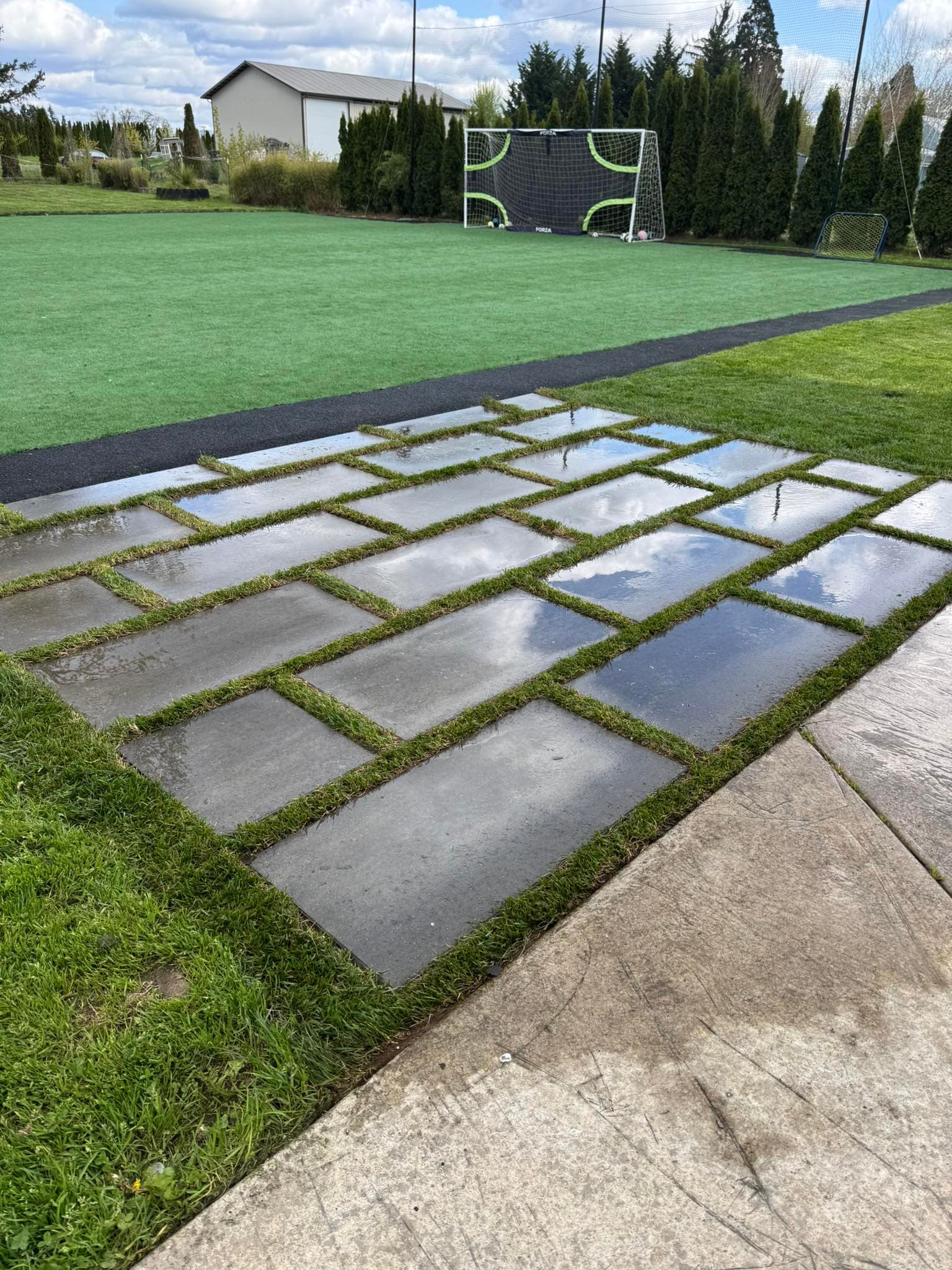
Oregon has been in some form of drought every year since 2020. The Willamette Valley alone has seen three Level 2 drought declarations in the last five years. Each one has come with watering restrictions.
The trend isn't reversing.
What the restrictions actually look like
During Portland metro's most recent restrictions, residential users were:
- Limited to watering 2-3 days per week
- Banned from watering between 10am and 6pm
- Charged Tier 3 rates ($9.40 per 1,000 gallons) on any usage above baseline
- Subject to fines for visible runoff or overspray
Portland, Beaverton, Tigard, and Lake Oswego have all enacted similar restrictions in the last three summers.
The result: most residential lawns went brown by mid-July. Homeowners watered illegally, paid fines, or watched their grass die.
The deeper trend
Oregon's snowpack — which feeds the rivers and reservoirs that supply most of our water — has been declining for 30 years. The 2023 snowpack was 60% of normal. The 2024 snowpack was 70%. Climate models project this to keep declining through 2050.
Water districts are responding by raising rates and tightening restrictions. Tualatin Valley Water District raised rates 8% in 2024 and another 6% in 2025. Salem's water rates have climbed 22% since 2020.
What turf changes
A turf lawn uses zero water. Not “low water” — zero. The restrictions don't apply to you. The rate hikes don't matter. The drought years look the same as the wet ones.
We installed an 1,800 sqft turf lawn for a family in West Linn in 2021. They had been hit with $1,400 in water bills the previous summer trying to keep their lawn alive. Their water bill in 2024 was under $400 for the whole year.
The 20-year math
If water rates keep climbing at 5-8% per year (the current trajectory), the typical Oregon household will spend $40,000-$50,000 on lawn watering over the next 20 years.
A turf install today eliminates that line item entirely.
This isn't an environmental argument — it's a financial one. The environmental argument is the second-best reason to switch.
Related reading
- How Much Water Does Artificial Turf Save? (Oregon)
- Real Grass vs Artificial Turf: 10-Year Cost Compared
Why GI Landscape: 4.9 stars from 47 Google reviews · Family-run since 2016.