
Drainage · 8 min read
Yard Drainage Maintenance Guide
Published August 15, 2024 · Updated May 21, 2026
An annual checklist for keeping French drains, catch basins, channel drains, and downspout extensions working for 30+ years in PNW rain.
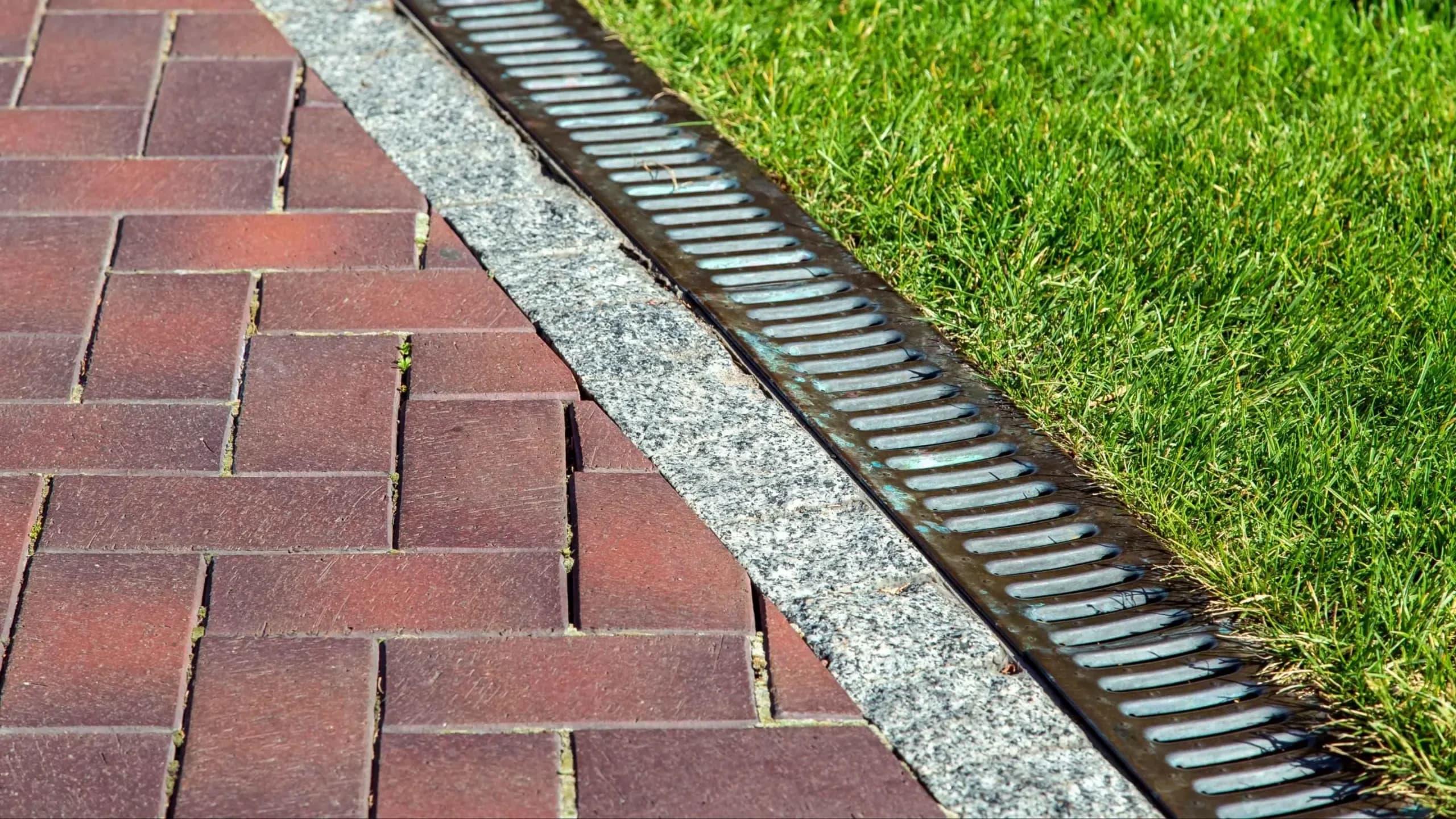
A French drain, channel drain, or yard drainage system needs almost no attention 11 months of the year. The one month it matters is when leaves drop and the rains start — that's when neglected drains clog and start backing up.
This guide covers what your GI Landscape drainage system needs to keep working for 30+ years. Most of it is annual maintenance you can DIY in under an hour.
The basics: what's in your yard
Depending on what we installed, your drainage system likely includes some combination of:
- French drain— perforated pipe buried in drainage gravel, wrapped in geotextile fabric, sloped to a daylight or soakage trench. Underground, invisible.
- Channel drain— the long grated trough you can see in driveways, patios, or sidewalks. Catches surface water before it crosses a hardscape.
- Catch basin— the small grated box that collects water from one specific low spot.
- Downspout extensions— the buried pipes that carry roof runoff away from the foundation to a safe outfall.
- Soakage trench / dry well— gravel-filled underground reservoir for when there's nowhere to daylight.
- Sump pump— electric pump for flat lots where gravity drainage isn't possible.
Your install paperwork lists exactly what's in your system. If you can't find it, call us — we keep records.
Annual fall checklist (October)
Once a year, before the wet season starts, do these checks. Takes about 30 minutes for a typical yard.
- Clear leaves off all surface grates. Channel drains and catch basins. Use a leaf blower or hand-scoop. If leaves are ground INTO the grate, lift the grate (it sits in a frame, no tools needed) and clean underneath.
- Check downspout outlets.Find where each downspout extension daylights (the exit point, usually at a curb cut or in a low spot away from the house). Make sure nothing is blocking it — no piled mulch, no leaf packs, no dirt washed over.
- Run water through the system.Garden hose at full flow into each catch basin and channel drain. Watch where the water comes out. If it doesn't reach the daylight outlet within 1-2 minutes, you have a partial clog.
- Walk the property in rain. Next time it rains hard, spend 10 minutes walking around. Note where water pools or where it flows differently than expected. Most drainage problems are visible only during active rain.
Spring check (April)
After the heavy-rain season, do a final pass:
- Visual inspection of all daylight outlets. Look for erosion or undermining around the outfall point. Heavy winter flows sometimes wash out the surrounding soil.
- Remove winter debris. Sticks, branches, sediment that accumulated over the wet months. Quick rake or sweep.
- Check that any rain garden plantings survived(if you have a rain garden as part of the system). Replace any that didn't.
Signs your drainage system needs attention
- Slow draining or standing water in a spot that used to drain fast. Indicates a partial clog upstream.
- Water backing up out of a catch basin or channel drain.Indicates a downstream clog or the outfall is blocked.
- Wet basement or crawlspaceafter a heavy rain. Could be a downspout extension that's failed.
- Erosion or sinkhole near a buried pipe location. Usually means a buried pipe has cracked or a joint has separated.
- Strange smells from any catch basin. Stagnant water sitting in the basin instead of flowing through. Indicates a clog downstream.
What you CAN do yourself
- Clear leaves and surface debris
- Lift grates and clean underneath (no tools needed)
- Run garden-hose flow tests
- Walk daylight outlets and clear vegetation
- Add mulch / re-grade minor surface erosion
What needs us
- Snaking a clogged French drain. Requires special equipment (sewer snake with camera). DIY snakes can puncture the perforated pipe and make things worse.
- Repair or replacement of buried pipe. Excavation + re-bedding + re-grading. Not a DIY job.
- Sump pump failure or replacement. Electrical work + plumbing tie-ins.
- Anything that requires opening up a hardscape. If the drain runs under a patio or walkway, the surface above has to come up. We do this.
Site visits to diagnose drainage problems are free. 503-984-1670 or contact form. We'll find the issue and quote the fix before doing anything.
Frequently asked questions
How often do French drains need to be cleaned?
A properly installed French drain (perforated pipe in gravel, wrapped in geotextile fabric) doesn't need to be cleaned for 15-20 years if you maintain the daylight outlet. The fabric filter prevents sediment from entering the pipe. Clogs almost always start at the outlet, not inside the pipe.
My catch basin smells. Why?
Stagnant water sitting in the basin. The drain isn't flowing through. Most likely the downstream pipe is partially clogged. Run a hose test — if water doesn't exit at the daylight, call us.
Can I plant over a French drain?
Shallow-rooted plants only (lawn, groundcover, annuals). Deep-rooted trees and shrubs will eventually penetrate the pipe and cause failures. Keep trees a minimum of 15-20 feet from any buried drainage pipe.
What about my downspout extensions?
Same maintenance. Once a year, run water from the downspout and confirm it exits at the daylight outlet. Clean any debris from the outlet. Look for visible cracks or separations in the extension pipe near the foundation.
Do I need to do anything with the sump pump?
If you have one: test it once a year by pouring 5 gallons of water into the sump pit. Pump should kick on and clear the water within 30 seconds. If it doesn't, call us. Sump pump batteries (if you have a battery backup) should be replaced every 3-5 years.
What about Oregon's permit on drainage tie-ins?
We handled the permit when we installed. Most yard drainage doesn't need a permit. Tie-ins to the city storm system do. If you ever want to add to or modify the system, call us — we'll handle the permit conversation again.